
| Category | Neuro Ophthalmology |
What is papilledema?
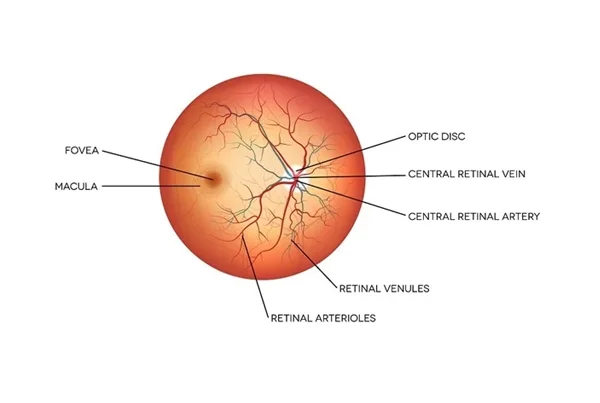
This is a condition in which high pressure inside your head can cause problems with vision and headaches. In papilledema, the cerebrospinal fluid outflow is blocked. The pressure is transmitted to the back of the eye via the optic nerve sheath (surrounding each of the optic nerves) producing the swelling seen at the disc (papilledema).
How will I know if I have papilledema?
The most common symptoms of high intracranial pressure are headache and visual loss. The headache may be located anywhere; frequently in the back of the neck. It is usually steady but may be pounding. It may be very severe, and unlike migraine, it may awaken the patient in the middle of the night. It also may worsen with bending or stooping. The optic nerve swelling may eventually lead to loss of vision seen as dimming, blurring, or graying of vision. Patients may be aware of difficulty seeing to the side.
Frequently patients notice visual disturbance lasting for a few seconds (often associated with bending or stooping). High pressure may cause damage to the nerves that move the eyes resulting in double vision. Patients may also be aware of a rushing noise in their ears. Nausea and vomiting may occur if the pressure is high and especially with a severe headache. Peripheral vision (detected on visual field testing) is usually abnormal and is one of the most important means of judging both the necessity for and effectiveness of treatment.
How is the cause for papilledema detected?
The patient requires an MRI scan. The diagnosis also requires a spinal tap. This will document elevated pressure inside your head and make sure there are no other abnormalities in the CSF. The finding of abnormal cells, inflammatory cells, or elevated protein may indicate a previous infectious, inflammatory, or tumor-related cause of elevated intracranial pressure. In rare cases, an angiogram, where a catheter is placed in the arteries and veins going to the head, may be necessary to exclude an abnormality of the blood vessels. To determine whether there is further damage to the optic nerve acuity and visual field testing is necessary.
How is papilledema treated?
Reduction in CSF production or increase in its outflow may reduce intracranial pressure. Weight reduction programs (in overweight patients) may be effective. Continuous drainage may be surgically accomplished by placing a catheter between the spinal canal and the abdomen (lumbo-peritoneal shunt). In patients with worsening visual fields or a decrease in central acuity, who do not have severe headaches, and optic nerve sheath fenestration may protect the optic nerve from further damage. A small hole or multiple slits are placed in the optic nerve sheath just behind the eye using an operating microscope.


